
Pico Prosta:Finally Sleep Through the Night Again – Natural Prostate Support That Actually Works!
Do you wake up a lot to use the bathroom? Pico Prosta is a supplement made to help with this. It aims to reduce trips to the bathroom at night, so you can sleep better without needing drugs.
Pico Prosta is a natural way to help with prostate issues. It’s part of a plan that includes lifestyle changes and tracking your symptoms. For many, it’s a good first step to help with nighttime bathroom trips.
We’ll talk about what Pico Prosta does and how to use it with diet and tracking your symptoms. If surgery is needed, we’ll discuss that too. Our goal is to help you sleep well without risks.
Key Takeaways
- Pico Prosta is a nonprescription prostate health supplement aimed at reducing nocturia.
- It is intended for men with mild-to-moderate LUTS seeking natural prostate support before or alongside medical therapy.
- Use Pico Prosta as part of a stepwise plan: lifestyle changes, symptom monitoring, and medical follow-up when needed.
- Botanical and micronutrient approaches can offer nocturia relief and contribute to sleep restoration for some men.
- Surgical or minimally invasive procedures remain options for large or refractory cases and should be discussed with a urologist.
Understanding Nocturia and Prostate Health: Why We Wake at Night

Waking up to use the bathroom at night is common. We aim to explain the main reasons behind this. This way, readers can understand what might be happening and ask the right questions at a urology visit.
When the prostate gets bigger, it can narrow the urethra. This makes it harder for urine to flow. As a result, the bladder works harder, leading to incomplete emptying and more trips to the bathroom at night.
Detrusor overactivity means the bladder muscle contracts without control. This creates a sense of urgency and shortens the time we can delay going to the bathroom. In men with both detrusor overactivity and bladder outlet obstruction, these contractions can be stronger and more frequent at night.
Chronic prostatitis and other inflammatory conditions change the immune environment around the prostate. This can lead to more frequent and urgent trips to the bathroom. These changes are part of the broader causes of LUTS that doctors look at when dealing with severe nocturia.
Nocturia causes can be thought of as layered. There’s mechanical obstruction from prostate enlargement, changes in bladder behavior like detrusor overactivity, and inflammation from chronic prostatitis. Each has its own signs and treatment targets.
To understand symptoms, tracking night voids and sudden urgency episodes is helpful. This data helps doctors distinguish between different causes. It shows whether the problem is from incomplete emptying, detrusor overactivity, or inflammation.
| Mechanism | Typical Signs | Why it Wakes Us |
|---|---|---|
| Prostate enlargement / BOO | Slow stream, incomplete emptying, elevated post-void residual | Residual urine and increased bladder pressure trigger night-time urges |
| Detrusor overactivity DO | Urgency, sudden need to void, short delay tolerance during episodes | Involuntary contractions force frequent waking and disrupt sleep continuity |
| Chronic prostatitis / inflammation | Perineal discomfort, variable urinary symptoms, inflammatory markers | Inflammation sensitizes bladder and prostate, increasing frequency and nocturia |
| Mixed causes | Combination of flow obstruction, DO signs, and inflammatory features | Multiple pathways act together to worsen nocturia and reduce sleep quality |
What Is Pico Prosta and How It Fits into Natural Prostate Support
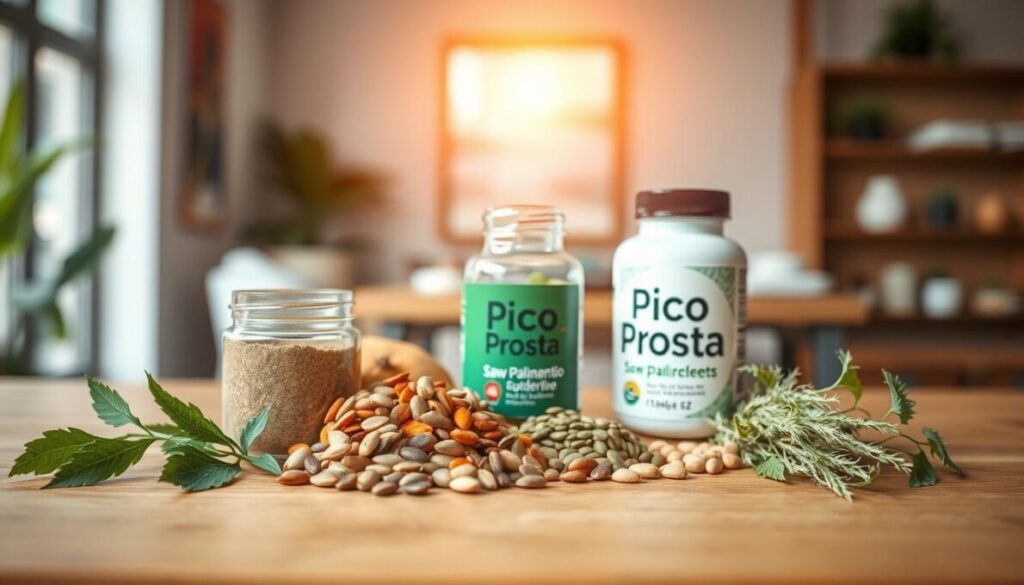
Pico Prosta is a natural prostate support formula. It combines botanicals with key nutrients. It aims to reduce nighttime urination, ease urgency, and improve urine flow for men with mild-to-moderate symptoms.
Many natural BPH supplements include saw palmetto, beta-sitosterol, pygeum, and pumpkin seed extracts. Zinc and selenium are added to support prostate health and balance antioxidants.
Key botanical roles
- Saw palmetto: lipid extracts may act on androgen pathways and reduce irritative urinary symptoms.
- Beta-sitosterol: a plant sterol with supportive data for improving urinary symptoms and peak urinary flow.
- Pygeum africanum: known for anti-inflammatory activity that can ease prostate-related discomfort.
- Pumpkin seed: supports urinary function and healthy bladder signaling.
Micronutrient support
- Zinc: contributes to normal prostate tissue maintenance and enzymatic reactions.
- Selenium: provides antioxidant support despite mixed results in cancer prevention trials.
Combinations are key. Botanicals and nutrients work together to reduce inflammation and support prostate health. This can help improve bladder emptying by reducing blockages and irritation.
We highlight the importance of realistic expectations for natural BPH supplements. Many men see fewer nighttime trips to the bathroom and less urgency. However, supplements should not replace medical or surgical treatments for severe cases.
Evidence-Based Mechanisms: How Natural Ingredients Can Reduce Urgency and Improve Flow
We explore how natural ingredients can help with prostate issues. Small changes in bladder signals and prostate inflammation can make a big difference. These changes can help with urgency and improve sleep.
Reducing involuntary bladder contractions.
We focus on reducing sudden bladder contractions. Studies show that these contractions can cause severe urgency. By calming these signals, we can reduce urgency episodes and improve sleep.
Modulating bladder contractility for efficient emptying.
We aim to balance the strength of the bladder muscles. This ensures the bladder empties well without spasms. It helps improve urine flow and prevents urgency.
Targeting inflammatory pathways in the prostate.
We target compounds that reduce inflammation in the prostate. This includes lowering harmful cytokines. By doing so, we create a less inflamed prostate environment.
Lowering chemokine-driven cell recruitment.
We focus on reducing certain proteins that attract immune cells. This helps reduce swelling and ease urinary urgency. It’s part of our strategy to improve flow and reduce residual volume.
Supporting flow metrics and residual volume targets.
We aim for small but significant improvements in urine flow and residual volume. By reducing inflammation and easing obstruction, we can make a big difference. This approach is safer than surgery and focuses on improving tissue health.
How formulations support these mechanisms.
We use a mix of botanical extracts and nutrients. These ingredients provide antioxidant support and help manage inflammation. They also support the health of the bladder lining.
- Reduce involuntary contractions through neuromodulatory effects.
- Support efficient detrusor function to enhance urinary flow improvement.
- Act on inflammatory mediators to promote an anti-inflammatory prostate state.
- Aim for measurable residual volume reduction by easing dynamic obstruction.
Clinical and Scientific Context: What Research Tells Us About Prostate Symptom Relief
We look at key studies on BPH to understand symptom relief better. We connect lab tests, urodynamics, and procedures to see where supplements fit. This helps us know when to seek more care.
Studies on bladder outlet obstruction, detrusor contractility, and urgency
Urodynamics show that obstruction and detrusor overactivity often go together. Tests like AG number and PIP/WF(max) measure these issues. They show how bad urgency and frequency can get.
These tests help us decide if simple treatments will work or if more invasive options are needed. Repeating these tests after treatment helps us plan the next steps.
Research on inflammation, infectious contributors, and chronic prostatic changes
Studies on inflammation in the prostate show it plays a big role in symptoms. Infections can start a chain reaction of inflammation. This keeps the gland inflamed for a long time.
Research also links prostate-specific antigen to how the prostate fights off infections. This shows the prostate’s role in keeping inflammation in check.
When medical procedures are considered and how supplements relate
When simple treatments don’t work, we consider more serious options. Ethanol injections can help many patients, but there are risks.
For very big problems or when nothing else works, surgery can greatly improve symptoms. These surgeries are for men with clear signs they need it.
We see supplements as a first step for mild symptoms. But, if symptoms get worse, seeing a urologist is crucial.
| Evidence Source | Primary Finding | Clinical Implication |
|---|---|---|
| Urodynamics studies (AG, PIP/WF(max)) | Higher obstruction numbers correlate with increased detrusor contractility and urgency | Objective testing guides selection between conservative care and procedural intervention |
| Prostatic inflammation studies (cytokine profiling) | Infection and immune signaling sustain chronic inflammation and LUTS | Anti-inflammatory strategies may reduce symptoms; identify infectious causes when present |
| Ethanol injection BPH reports | Improved IPSS, peak flow, and residual volume with noted perioperative risks | Consider for select patients not helped by medical therapy; weigh risks and benefits |
| RASP outcomes (robotic simple prostatectomy) | Large prostate removal yields dramatic symptom and flow gains with low blood loss | Reserved for large adenomas or refractory disease after multidisciplinary evaluation |
Who Benefits Most from Pico Prosta: Identifying Ideal Candidates
We explain who will likely see better nights and easier days with Pico Prosta. This helps figure out if someone should try a prostate supplement or see a doctor first.
Men with mild urinary symptoms seeking conservative care
Men with frequent, urgent, or weak urination, or waking up once or twice a night, might benefit. For them, a natural supplement can help along with lifestyle changes. This approach avoids the need for drugs.
When inflammation or infection may change expectations
But, if you’ve had prostatitis symptoms like pelvic pain or recurring urinary issues, things might be different. In such cases, you might need antibiotics or anti-inflammatory drugs before supplements can help.
Red flags that call for urology evaluation first
Seek medical help right away if you notice serious signs. These include trouble holding urine, blood in your urine, or a rising PSA. Also, if you have frequent UTIs, unexplained weight loss, or new bladder control problems, see a specialist.
Practical baseline checks we recommend
- Complete the IPSS questionnaire to quantify symptoms.
- Obtain a basic urinalysis to screen for infection or blood.
- Discuss PSA testing with your clinician when appropriate.
- Measure peak urinary flow and postvoid residual if symptoms are moderate to severe.
By following these steps, we can better match what to expect with the benefits of prostate supplements. If you’re a good candidate, supplements can help with mild symptoms. This approach is safe and can improve your quality of life.
How to Use Pico Prosta: A How-to Guide for Best Results
Start with a simple, consistent plan when using Pico Prosta. Always follow the product label for dosing. Take the supplement at the same time every day. This helps your body adjust and ensures the ingredients work well.
Recommended dosing strategies and timing to support uninterrupted sleep
It’s best to take Pico Prosta with a meal to improve absorption and avoid stomach issues. If it has ingredients that might increase urine, take it in the morning. Follow the label’s advice for evening use if it helps with nighttime urination.
Combining Pico Prosta with lifestyle changes for maximal benefit
Using Pico Prosta is more effective when combined with healthy habits. Cut down on fluids before bedtime and avoid caffeine and alcohol in the evening. Talk to your doctor about adjusting diuretic medications if needed.
Also, focus on bowel health and weight management. Manage constipation, stay active, and eat anti-inflammatory foods like veggies, fish, nuts, and whole grains. Pelvic floor exercises and bladder training can also help reduce urgency.
Monitoring symptoms: IPSS, peak flow, and tracking nocturia episodes
Start by monitoring your IPSS to understand your symptoms. Check it again after four to eight weeks and at three months to see improvements. Keep a bladder diary to track nighttime urination, volumes, and urgency.
Use peak flow tracking and uroflowmetry if possible to measure real progress. Also, check postvoid residual if advised by your doctor. If symptoms don’t get better or worsen, see a urologist to review your treatment plan.
Safety, Interactions, and When to See a Doctor
Before starting any prostate support, we need to talk about safety. Natural formulas might seem safe, but they should be treated like drugs. This is especially true if you’re taking prescription medicines or have serious health issues.
Some natural ingredients can change how your body processes drugs. This can lead to problems with common medicines like statins or blood thinners. Always tell your doctor about any supplements you plan to use.
Blood thinner interactions are a big concern. Ingredients like vitamin E or certain herbal extracts can affect blood thinners. Always check with your doctor before adding a new supplement.
Men with prostate cancer or on hormone therapy need to be careful. Some natural ingredients can affect hormone levels or the immune system. Always talk to your doctor before trying new supplements.
It’s also important to check for allergies and any health issues before starting supplements. We check for allergies, liver disease, and other conditions. Taking herbal extracts for a long time might need regular liver tests.
Watch for urgent signs that need immediate help. These include trouble urinating, blood in urine, or severe back pain. If you have these symptoms, go to the emergency room right away.
If your symptoms get worse, see a doctor quickly. Signs like trouble urinating or infections need attention. Your doctor might need to do tests or change your treatment.
| Risk Area | What to Watch For | Recommended Action |
|---|---|---|
| Drug interactions | New side effects, altered drug levels, bruising | Review all meds with pharmacist or prescriber before starting |
| Blood thinner interactions | Excessive bleeding, easy bruising, prolonged clotting | Do not start supplements without approval from anticoagulant prescriber |
| Prostate cancer caution | Changes in PSA, unexpected symptoms while on androgen therapy | Consult oncologist/urologist and arrange monitoring |
| Supplement safety monitoring | Allergic reactions, abnormal liver tests, GI upset | Stop use and obtain lab testing if symptoms develop |
| Urgent urology signs | Acute retention, high fever, gross blood in urine | Seek emergency care or urgent urology consultation |
Complementary Lifestyle Changes to Enhance Pico Prosta’s Effectiveness
We can make Pico Prosta work better with simple habits. Changing how we drink, what we eat, and exercising our pelvic muscles can help. These changes can cut down on nighttime trips to the bathroom and improve our sleep.
Fluid timing and bedside habits
Drinking less water two to four hours before bed helps with nocturia. Avoiding caffeine and alcohol in the afternoon and evening is also key. This is because they make us pee more and can irritate the bladder. If we take diuretics, we should talk to our doctor about the best time to take them.
Choosing foods that calm inflammation
Eating foods that fight inflammation can help with prostate issues. We should eat more olive oil, fatty fish, fruits, vegetables, whole grains, nuts, and legumes. On the other hand, we should eat less processed foods, saturated fats, and sugar.
Fiber is important too. It helps prevent constipation, which can strain the pelvic area and make us pee more often. We should eat balanced meals to get enough zinc. But, we shouldn’t take too much selenium or vitamin E for prostate health.
Pelvic muscle training and bladder retraining
Exercising the pelvic muscles is easy and can be done daily. We find these muscles by stopping our urine flow or by tightening the muscles that stop gas. We hold each contraction for 5–10 seconds, then relax for the same time. We do this 10–15 times, three times a day.
Bladder training helps us control when we pee. We start with a schedule we can handle and gradually increase the time between pees. This helps our bladder hold more and reduces the need to pee often.
Activity, weight, and overall health
Being active and losing a little weight can help with prostate symptoms. We should aim for regular exercise, like walking or strength training. These activities are part of our prostate care plan and help us sleep better.
By managing our fluid intake, eating right, exercising our pelvic muscles, and training our bladder, we have many tools to help. We can adjust these steps to fit our needs and talk to our doctor about the best approach.
Realistic Expectations: Timeline for Symptom Improvement and Sleep Restoration
We aim to set realistic expectations about how supplements help with urinary issues and sleep. Results can differ based on many factors like prostate size and how well you stick to lifestyle changes. Keeping track of progress helps us see if what we’re doing is working.
Early signals (2–4 weeks)
Some men start to see small improvements in a few weeks. They might notice less urgency and fewer trips to the bathroom at night. These early signs show the supplements are working on symptoms and inflammation, but not yet fully fixing the issue.
Medium-term changes (8–12 weeks)
More noticeable improvements usually come between eight to twelve weeks. You might sleep better and feel like you can urinate more easily. It’s important to keep track of your progress at regular intervals to see how far you’ve come.
Objective measures to track
We need to watch several key signs to see how supplements are working. Keep a diary to track how many times you get up at night. Also, note how much you sleep and if you’re woken up. Changes in your IPSS score, flow rate, and postvoid residual are important too. Tracking these every month helps us see how things are going.
When to reassess
If you don’t see any improvement after three months or if things get worse, it’s time to reassess. Look out for signs like a bigger postvoid residual, lower flow rate, or trouble holding urine. If you see these, it might be time for more tests or to talk to a urologist about changing your treatment plan.
Adjunctive role for supplements
For men with big prostates or serious bladder issues, supplements are often used as an extra help. Sometimes, they might need stronger treatments like medications or procedures. If your symptoms don’t get better after three months, it’s a good idea to follow up with a urologist.
Comparing Pico Prosta to Other Options: Supplements, Medications, and Procedures
We explore where Pico Prosta stands among treatments for men with urinary issues. Our aim is to provide clear comparisons. This helps both patients and doctors make informed choices.
How natural support compares with alpha-blockers and 5-alpha-reductase inhibitors
Alpha-blockers like tamsulosin work fast to ease symptoms. They can cause side effects like low blood pressure. On the other hand, supplements like Pico Prosta take longer to work but have fewer side effects.
5-alpha-reductase inhibitors, such as finasteride, take months to shrink the prostate. They are often used with alpha-blockers for better results. Supplements can help but should not replace medical treatment for serious symptoms.
When minimally invasive procedures (e.g., ethanol injection, RASP) are appropriate
For severe cases, procedures like ethanol injection and RASP are considered. These methods offer lasting relief for some patients. They are safe when done by skilled doctors.
Robotic-assisted simple prostatectomy is effective for large prostates. It provides quick symptom relief and is safe. This surgery is for men with severe blockages or when medicine doesn’t work.
Pros and cons of combining approaches for long-term symptom control
Combining treatments can improve quality of life while reducing side effects. Supplements and lifestyle changes can help lower medication doses. This approach keeps symptoms under control while minimizing drug side effects.
However, supplements should not delay necessary treatments for severe blockages. For those facing surgery, supplements can offer support before or after. The right choice depends on symptoms, prostate size, health conditions, and personal preferences.
Talking to a urologist is key to making the right choice. We aim to find treatments that reduce nighttime urination and urgency. The goal is to match each man’s needs and risk level.
Frequently Reported Outcomes and Patient Experiences with Natural Prostate Support
We look at what men say about using natural prostate support. Many say they sleep better and wake up less often. They share these stories to help others think about trying natural options.
Men often talk about better sleep and fewer trips to the bathroom at night. They say they feel more comfortable during the day and have less urgency. These changes happen in just a few weeks.
We share stories without revealing names. One man went from three to one bathroom trip a night in two months. Another saw his sleep get better while his IPSS scores improved. These stories show how people often see improvements.
But, we must remember these stories have limits. The placebo effect, changes in behavior, and natural ups and downs can affect how people feel. Testimonials aren’t the same as scientific proof. Studies on supplements like selenium and vitamin E show different results.
We suggest combining what patients say with medical checks. Regular tests can show if things are getting better or worse. If a supplement seems to help but tests show otherwise, seeing a doctor is important. This helps keep your urinary and overall health safe.
Conclusion
Pico Prosta is a natural supplement that helps with nighttime urination and prostate issues in men. It targets multiple symptoms at once. Research shows that bladder problems and prostate issues often go hand in hand.
Studies also point out that infections or inflammation can make these symptoms worse. So, Pico Prosta can be a good choice for those looking for a natural solution. It works best when combined with healthy lifestyle choices and regular check-ups.
Our advice is simple: start by checking your symptoms and keeping a bladder diary. Take Pico Prosta as directed and follow a healthy diet and exercise routine. Also, try bladder training exercises.
Check your progress every 4-12 weeks. If your symptoms get worse or you notice any red flags, see a doctor right away. They can suggest more serious treatments if needed.
Supplements like Pico Prosta can improve sleep and reduce urgency for many men. But, they should be part of a bigger plan for health. Always talk to your doctor about any supplements you’re taking.
Keep tracking your symptoms and discuss any concerns with your healthcare provider. If your symptoms don’t improve, they may suggest stronger treatments or medications.