
Prodentim Benefits: How This Oral Probiotic Supports Healthy Gums, Teeth and
This Prodentim review shows how an oral health probiotic can help keep gums and teeth healthy. We focus on real, evidence-based information. We look at the benefits of oral probiotics, what studies say, the ingredients, and how it works in real life.
We use dental journal studies, product info from trusted makers, and trial and user reports. We’ll show you the science and what people say. We’ll also talk about safety, how much to take, and how to use Prodentim in your oral care routine.
Our tone is friendly and helpful. We’ll explain the science of oral probiotics, the ingredients, and how Prodentim works. We’ll share the benefits and give you tips on choosing and using an oral health probiotic. Our goal is to give you a balanced view of Prodentim’s benefits and how to use it for healthy gums and teeth.
Key Takeaways
- Prodentim Benefits center on modifying the oral microbiome to favor beneficial bacteria.
- We summarize peer-reviewed science, product formulations, and clinical trial results.
- The article balances clinical evidence with user-reported outcomes for practical insight.
- Safety, dosing, and ways to add an oral health probiotic to daily care are covered.
- Our review is tailored for U.S. readers interested in preventive dental care and supplements.
Why Oral Probiotics Matter for Dental Health
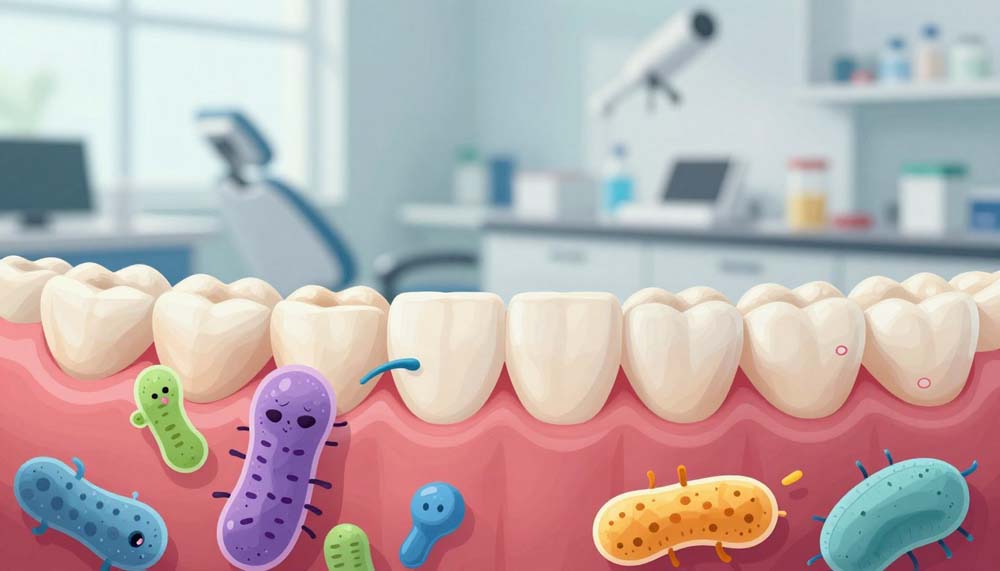
We often think brushing and flossing are enough. But our mouths have a complex mix of bacteria, fungi, and other microbes. This mix can lead to health or disease.
Balance means having the right mix of good and bad microbes. Good microbes help keep invaders out and control inflammation. Bad microbes, like Streptococcus mutans, can cause cavities and gum disease.
Studies in the Journal of Clinical Periodontology and International Journal of Oral Science show how this balance affects our teeth and gums.
Probiotics and dental care have different goals. Dental care cleans and strengthens teeth. Probiotics aim to add good microbes to the mouth.
Probiotics for gums are seen as a helpful addition. Certain strains, like Streptococcus salivarius K12, can reduce gum inflammation. Research shows they can also improve plaque and bad breath.
Oral probiotic research guides us. Studies show probiotics can help with gum disease and bad breath. But more research is needed to fully understand their benefits.
We summarize key differences and evidence in a compact comparison to guide clinicians and consumers.
| Topic | Conventional Care | Oral Probiotics |
|---|---|---|
| Main goal | Remove biofilm, strengthen enamel | Shift microbial balance toward protective strains |
| Primary tools | Brushing, flossing, fluoride, antiseptic rinses | Lozenges, rinses, chewing tablets with live strains |
| Evidence base | Large, long-term studies support caries prevention | Growing oral probiotic research shows benefits for gingivitis and halitosis |
| Effect on gums | Reduces biofilm and inflammation through removal | Probiotics for gums aim to lower bleeding and inflammatory markers |
| Limitations | Does not repopulate beneficial microbes | Variable strains, doses, and study durations limit broad claims |
Prodentim Benefits
We look into what users and studies say about Prodentim’s benefits for oral care. We share common user experiences, what researchers measure, and how Prodentim compares to other probiotics.
Key outcomes reported by users
Users often report less gum bleeding and fresher breath after a few weeks. They also see less plaque and feel their gums and teeth are healthier.
Improvements happen in 2 to 8 weeks, based on user feedback and surveys.
Clinical findings related to plaque reduction and gum inflammation
Studies on similar supplements look at plaque and gum health. They show these probiotics can reduce plaque and gum inflammation.
It’s important to look at specific Prodentim studies and data. Many reports support its ability to lower inflammation markers.
How Prodentim compares to other oral probiotics
We compare Prodentim to products like ProBiora and BLIS K12. We look at the number of strains, prebiotics, CFU count, and product type.
Comparisons are based on product details and claims. Since direct trials are rare, we rely on ingredient similarity and user reports. Shoppers often consider form and third-party testing when choosing.
Active Ingredients in Prodentim and Their Roles
We look at the main parts in many oral probiotic products and why they’re important. We’ll talk about common probiotic types, extra compounds, and quality checks. This helps you understand Prodentim ingredients and what to look for on labels.
Probiotic strains commonly included
Streptococcus salivarius K12 and M18 are often found in oral products. They make substances that fight bad breath and compete with harmful bacteria. Lactobacillus reuteri has shown to reduce inflammation in the gums.
Lactobacillus paracasei and Lactobacillus rhamnosus help fight off bad bacteria and boost the immune system. Bifidobacterium species help keep the mouth balanced by taking over spaces that harmful bacteria might occupy. These strains work by making substances that kill bacteria, competing for resources, and signaling the immune system.
Prebiotics and supportive ingredients
Prebiotics like inulin and fructooligosaccharides (FOS) help beneficial bacteria grow. Xylitol is used because it doesn’t feed harmful bacteria and helps prevent cavities. These ingredients make it easier for good bacteria to stay in the mouth.
Nutrients like zinc help with fresh breath, while vitamin D and calcium support overall oral health. The way a product is made, like in lozenges, affects how well it works. We focus on how it’s made because it impacts its effectiveness.
Ingredient safety and quality standards
We look for proof that the strains are what they say they are on labels and documents. Reliable brands ensure the number of live bacteria at the expiration date, not just when they’re made. Oral probiotics usually have fewer CFU counts than gut supplements, often in the millions or low billions per dose.
Probiotic strains in mouth products are often safe for use. Look for Good Manufacturing Practices (GMP) certification and third-party testing for purity. We also check for lab reports that confirm the CFU counts and check for pathogens, heavy metals, and fillers.
Practical label checklist
- Clear listing of Prodentim ingredients with strain designations.
- Guaranteed CFU counts at expiration and storage instructions.
- Evidence of GMP production and third-party testing.
- Presence of supportive prebiotics for mouth when colonization is a goal.
We suggest looking up research on the strains used in Prodentim. Industry guidelines and rules from agencies like the FDA help us judge safety and quality.
How Prodentim Works in the Mouth
We explore how Prodentim works and its role in daily oral care. Small, targeted probiotic strains interact with our mouth’s surfaces. This interaction starts a process that reduces harmful bacteria and promotes a healthier mouth.
Mechanisms of action against harmful bacteria
Prodentim attacks harmful bacteria in several ways. Some strains produce compounds that kill Streptococcus mutans and other harmful bacteria. These compounds also break down harmful biofilms.
Probiotics compete with harmful bacteria for space on our cells. They also help reduce inflammation by modulating the immune system.
Colonization, persistence, and competition in the oral cavity
How long probiotics stay in our mouths varies. Some strains last only as long as we use them. But others, like certain Streptococcus salivarius, can stick around longer.
Things like how we take Prodentim and our oral habits affect how long it stays. Forms like lozenges and slow-dissolve ones help it stick to our mouths better. Using it with prebiotics or toothpaste can also help it last longer.
Effects on pH balance and saliva composition
Prodentim changes how our mouth handles acid after eating carbs. It reduces bacteria that make acid, helping protect our teeth. This can also change our saliva, making it better at fighting tooth decay.
Benefits for Gum Health and Gingivitis Prevention
More people are interested in using gum health probiotics as part of their oral care routine. Studies show that probiotics can lower inflammation in the mouth. This leads to softer, less swollen gums and better health signs.
Reduction of inflammation markers
Research points to certain probiotics like Lactobacillus reuteri and Streptococcus salivarius. They are linked to lower levels of harmful chemicals in the gums. This means less redness and swelling, making gums healthier.
Clinical study highlights for gum bleeding and pocket depth
Studies have shown that probiotics can help with gum bleeding and inflammation. Regular use of probiotics can lead to better gum health. While short-term studies show small improvements, long-term use can lead to bigger changes.
Long-term implications for periodontal disease risk
Keeping gum inflammation under control is crucial for preventing periodontal disease. Using probiotics regularly can help prevent this disease. They should be seen as a supplement to professional dental care, not a replacement.
Benefits for Teeth: Plaque, Cavities, and Sensitivity
Oral probiotics can make a big difference in our teeth. They help clean teeth, lower the risk of cavities, and reduce sensitivity. Even small changes in our mouth can lead to big improvements in oral health.
Probiotics fight plaque by competing with harmful bacteria for space and food. They also make enzymes and bacteriocins that stop biofilms from growing. This can make it easier to remove plaque at home.
Studies show probiotics can lower the number of bacteria that cause cavities. This makes our mouths less likely to get cavities, especially when we brush and use fluoride.
When there are fewer cavity-causing bacteria, our teeth don’t get as much acid. This lets saliva and fluoride help fix our teeth. In some tests, using probiotics and fluoride together helped more than fluoride alone.
Healthy gums are key to avoiding tooth sensitivity. Probiotics can help by reducing inflammation and preventing gum recession. This might make our teeth less sensitive. But, we need more research to confirm this.
Here’s a quick look at how these probiotics work, how strong the evidence is, and what they can do for our teeth:
| Area | Primary Mechanism | Evidence Level | Practical Outcome |
|---|---|---|---|
| Plaque reduction | Competitive adhesion, bacteriocins, biofilm disruption | Moderate: multiple clinical and lab studies | Lower plaque biomass, easier removal with brushing |
| Cavity risk | Reduced S. mutans levels, lower acid production | Moderate: clinical trials and in situ caries models | Supports enamel repair with fluoride; helps probiotics prevent cavities |
| Enamel protection | Create less acidic environment; support remineralization | Emerging: controlled erosion and caries studies | Complementary effect with fluoride; role of enamel protection probiotics noted |
| Tooth sensitivity | Indirect via reduced gum inflammation and recession | Limited: review-level support for non-surgical prevention | Possible reduced sensitivity; direct tooth sensitivity probiotic evidence sparse |
Using Prodentim: Dosage, Form, and Best Practices
We want to help you use Prodentim safely and effectively. This is part of your daily oral care routine. We’ll cover common delivery options, a typical dosing schedule, and how to mix probiotics with brushing and flossing.
Recommended forms
Oral probiotic forms include lozenges, chewables, rinses, and capsules. Lozenges and chewables dissolve slowly against the mucosa, helping with colonization. Rinses cover a wide area but may not stay in contact as long. Capsules are good for overall health but don’t stick to the mouth’s tissues.
Pros and cons at a glance
- Lozenges and chewables: good for mucosal contact and slow release.
- Mouth rinses: wide coverage; contact time may be limited.
- Capsules: easier to swallow; less oral colonization.
Ideal dosing schedule
Follow the manufacturer’s guidance for Prodentim dosage. Many studies suggest one lozenge daily or twice daily. For best results, take probiotics after brushing and before eating.
Studies usually last from two weeks to three months to see changes in plaque and gum health. If you take probiotics twice a day, morning and evening hygiene works well.
How to incorporate with brushing and flossing
Brush twice daily with fluoride toothpaste and floss once a day. Use Prodentim (lozenge or chewable) after cleaning, then avoid eating, drinking, or rinsing for 15–30 minutes. This lets the probiotic stick to your mouth.
If you use mouthwash, wait 10–15 minutes after taking a probiotic. Or take the probiotic at a different time of day. This helps avoid killing good bacteria before they attach.
Probiotic lozenge instructions
Place the lozenge against your cheek or on your tongue and let it dissolve slowly. Don’t chew or swallow right away. Follow the printed instructions for timing and frequency.
Practical tips
- Store products as directed to preserve viability.
- Start with the lower end of the recommended Prodentim dosage if you have sensitive gums, then adjust.
- Keep a diary of changes in breath, sensitivity, or bleeding to discuss with your dental provider.
Safety, Side Effects, and Who Should Consult a Dentist
We take safety seriously when discussing oral probiotics. Below we review common reactions, rare events, and groups who should talk with a healthcare professional before trying a product like Prodentim. Our focus is on clear, practical guidance so readers can make an informed choice.
Most people tolerate oral probiotics well. Mild probiotic side effects can include temporary bloating or minor gastrointestinal changes after starting a supplement. Some users report short-lived taste changes or mild oral irritation. Severe infections linked to probiotics are extremely rare and usually affect people with major immune problems.
We advise caution for people with weakened immune systems. Those with central venous catheters, recent major surgery, or active serious illness should consult their physician. Reports in clinical literature and professional guidelines recommend individualized assessment for high-risk patients.
Probiotic interactions with medications are uncommon. Yet oral probiotic interactions can be a theoretical concern during concurrent antimicrobial therapy. Timing a probiotic dose apart from antibiotics may help. We suggest speaking with a dentist or pharmacist about specific drug regimens to avoid reduced effectiveness or unexpected reactions.
Pregnancy and nursing require special care. For pregnancy probiotics guidance, we recommend consulting an obstetrician or midwife before starting any supplement. Some probiotic strains have safety data in pregnancy, but product-specific guidance matters. Parents should check with a pediatrician before giving probiotics to infants or young children.
Below we offer a concise comparison to help guide discussions with healthcare providers.
| Concern | Typical Risk | Who Should Consult |
|---|---|---|
| Common mild effects | Temporary bloating, minor GI changes, taste changes | Anyone with persistent or worsening symptoms |
| Rare oral effects | Oral irritation, allergic reactions in sensitive individuals | People with known allergies or oral mucosal disorders |
| Serious systemic risk | Extremely rare systemic infection in immunocompromised patients | Immunosuppressed patients, central line recipients, recent major surgery |
| Drug interactions | Uncommon but theoretical with antibiotics and immunosuppressants | Those on long-term antibiotics, chemotherapy, or complex regimens |
| Pregnancy and breastfeeding | Varies by strain and product; many have limited but positive data | Pregnant or nursing individuals should seek pregnancy probiotics guidance |
| Children | Generally low risk for age-appropriate products; dosing matters | Pediatric consultation recommended for infants and young children |
Real-World User Experiences and Testimonials
We looked at feedback from big retailers and health sites to see what people say about Prodentim. Many wonder if what people say matches scientific studies. We share common results, mixed feelings, and how to trust reviews.
Common positive outcomes reported by users
Users often say they bleed less when brushing and have fresher breath after a few weeks. They also talk about less plaque and stronger teeth. Most say they noticed changes in two to eight weeks, using it every day.
Limitations and mixed experiences
Not everyone sees the benefits. Some say they didn’t notice any changes or only felt effects briefly. A few mention mild side effects like a temporary change in taste. Differences in how well they brushed, what they ate, smoked, and how often they used the product explain the mixed results.
How to evaluate credibility of testimonials
Look for detailed timelines, clear descriptions of their oral care habits, and before-and-after photos. Reviews from verified buyers on sites like Amazon or Trustpilot are more trustworthy than those on the product’s site. It’s good to see both positive and negative reviews. Trust more in studies and case series than single stories.
| Source Type | What to look for | Why it matters |
|---|---|---|
| Retail reviews (Amazon, Walmart) | Verified purchase, photos, timeline of results | Shows real consumer use and consistency of effects |
| Health platforms (WebMD, Healthline comment sections) | Detailed symptom descriptions, prior treatments listed | Helps separate product effects from other care |
| Small observational studies | Method notes, sample size, outcome measures | Offers controlled, systematic insight into outcomes |
| Manufacturer testimonials | Reviewer verification, presence of negative reviews | Useful but may be biased; cross-check elsewhere |
| Consumer protection guidance | Advice on spotting fake reviews, platform credibility | Helps judge review credibility and spot manipulation |
We suggest looking at Prodentim reviews, oral probiotic testimonials, user experiences, and studies together. It’s important to consider the credibility of reviews and look beyond single stories for a complete view.
Choosing the Right Oral Probiotic Product
When we look for an oral probiotic, we need clear info and value. Ignore fancy claims. Look at the label, testing, and price to see if it’s worth it.
What to look for on labels and ingredient lists
Check for specific strains like Streptococcus salivarius K12 or Lactobacillus reuteri. A generic “proprietary blend” without names is suspicious.
Make sure the CFU count is listed for the entire shelf life. This ensures the probiotics stay active longer.
Look for prebiotics and allergen warnings. Clear instructions on use and storage are key. These tips help us compare better.
Quality certifications and third-party testing
Choose brands with GMP certification and third-party tested probiotics. Labs like USP or NSF confirm the product’s quality.
Certificates of Analysis (COA) should be available. They show the product’s purity and potency. This builds trust when comparing products.
Price, value, and subscription options
Calculate the cost per serving, considering CFU and strains. A low price might mean lower quality. Look for balance between cost and quality.
Subscription deals can save money and help stick to a routine. Check return policies and trial offers. When comparing, consider long-term value and customer support.
Using label tips and third-party tested products makes our choices better. This way, we find oral probiotics that are affordable and effective for our oral health.
Integrating Prodentim into a Comprehensive Oral Care Plan
We aim for stronger gums and healthier teeth that fit into our busy lives. We add Prodentim to a routine that includes fluoride toothpaste, sealants, and dental cleanings. This mix ensures we get the benefits of probiotics without neglecting traditional care.
Oral probiotics are meant to complement, not replace, standard treatments. When we use probiotics with fluoride, they help fight bad bacteria while fluoride strengthens teeth. Always use fluoride toothpaste as directed and keep up with dental sealants or fillings when advised.
We make sure to time probiotic lozenges or rinses right. We avoid using them right after mouthwashes to help them work better. This timing helps Prodentim settle in and do its job.
Lifestyle habits that boost oral probiotic effectiveness
Our daily habits support the good bacteria in our mouths. We cut down on sugary foods and drinks to starve harmful bacteria. Drinking plenty of water helps keep our mouths clean and our saliva flowing.
We also encourage quitting smoking and eating more fiber. Foods like fruits, veggies, and whole grains are great for our oral health. Brushing twice a day and flossing once a day helps remove plaque and supports the good bacteria.
When to see a dental professional for persistent issues
If problems like bleeding, swelling, or pain don’t go away, see a dentist. Regular dental visits and cleanings are key to catching and treating issues early. They help guide the use of probiotics and other treatments.
We follow the American Dental Association’s guidelines for dental care. This ensures we’re using the best treatments and schedules for our oral health.
Conclusion
Prodentim Benefits summary shows it supports oral health when used with brushing, flossing, and dental visits. It helps balance the mouth’s bacteria, lowers gum inflammation, and improves breath. These benefits are seen in studies and user feedback, especially with well-known strains and enough CFU counts.
Our key points on oral probiotics are about making smart choices and using them safely. Choose products with clear strain and potency information, third-party tests, and open manufacturing. Follow the recommended dosage and watch for improvements in your mouth health.
Remember, probiotics are meant to complement, not replace, dental care. If you’re pregnant, nursing, have a weak immune system, or ongoing oral issues, talk to your dentist or doctor. Make informed choices by checking ingredients, looking for quality certifications, and combining probiotics with fluoride, a healthy diet, and dental check-ups for the best results.